How Interface Designs Shape Engagement Patterns with Introductory Credits Across Blackjack Variants at Licensed Platforms
Sofia Fischer · Oct 13, 2026
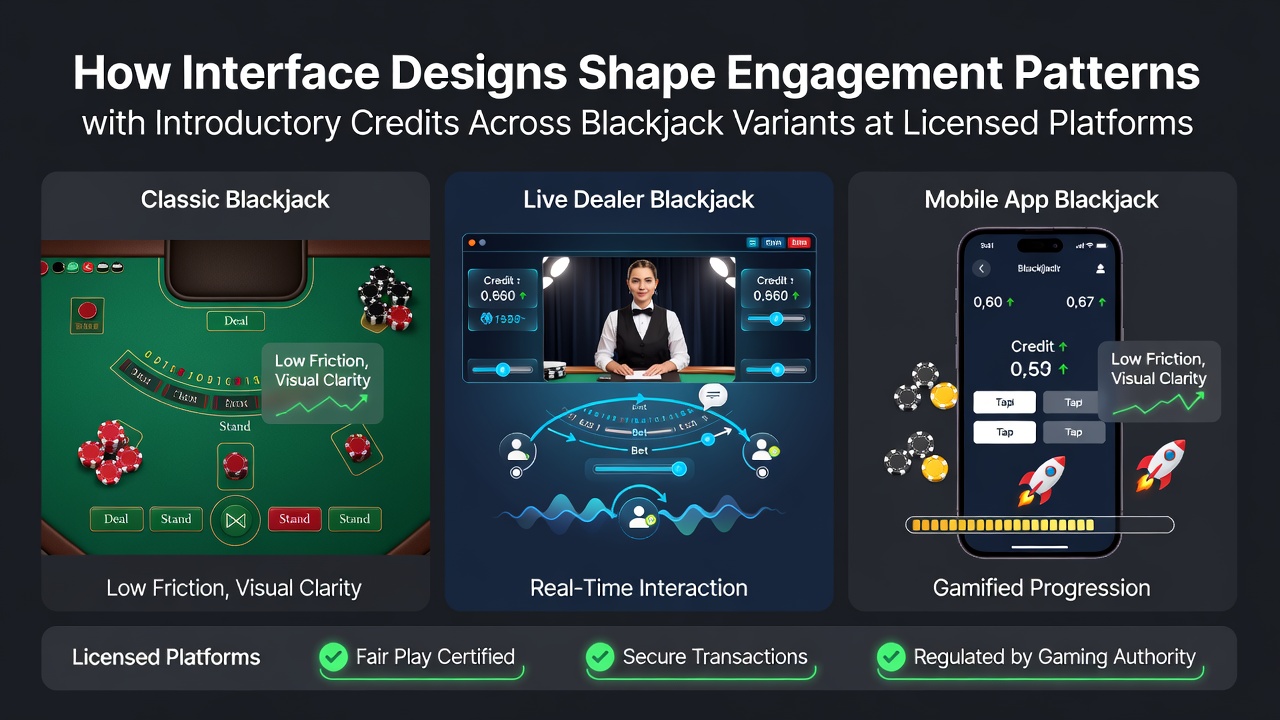
How Interface Designs Shape Engagement Patterns with Introductory Credits Across Blackjack Variants at Licensed Platforms
Platform designers at licensed operators arrange visual hierarchies, button placements, and credit meters in ways that guide how players interact with introductory credits across blackjack variants, and observers note distinct patterns emerging from these choices in October 2026 data releases from multiple jurisdictions.
Core Interface Components Affecting Credit Use
Navigation bars that highlight available variants sit alongside persistent credit balance indicators, while variant-specific panels display minimum bet requirements next to remaining introductory credit amounts, and this layout encourages users to switch between single-deck and multi-deck tables without exiting the credit session. Color-coded progress bars track wagering progress toward credit release thresholds, and researchers tracking user sessions find that prominent placement of these bars correlates with longer dwell times on certain blackjack formats at regulated sites.
Touch targets for hit, stand, and double-down commands appear near the credit meter on mobile views, whereas desktop versions separate these controls into a secondary panel, and data from platform analytics show that such separation leads players to pause more often before committing introductory credits to higher-volatility variants.
Variant-Specific Engagement Shifts
Single-deck blackjack interfaces often feature tighter table layouts with fewer side-bet options, and this design directs introductory credit allocation toward base game decisions rather than optional wagers, whereas multi-hand formats spread visual focus across multiple active hands, prompting users to distribute credits more evenly across simultaneous rounds. Studies conducted by academic teams at European gaming research centers indicate that players encountering streamlined single-deck screens complete credit wagering cycles faster than those navigating expanded multi-hand displays.
Live-streamed tables integrate chat overlays and dealer video feeds that compete for screen space with credit notifications, and operators in North American markets report that these competing elements slow decision rates when introductory credits remain active, leading to extended session lengths before expiration timers trigger.

Patterns Observed in Recent Platform Data
Analytics compiled through October 2026 reveal that platforms using persistent floating credit widgets record higher completion rates for introductory credit playthroughs on European roulette-adjacent blackjack hybrids, while fixed sidebar meters show stronger retention on traditional American variants. Regulatory filings from the Nevada Gaming Control Board document these interface-driven differences without attributing causation to specific design choices.
One analysis from Canadian provincial oversight bodies tracked how auto-spin toggles placed directly beneath credit meters increase hand volume during credit sessions on multi-deck games, and similar patterns appear less frequently in jurisdictions where such toggles default to off states until manually enabled.
Regulatory Context and Design Constraints
Licensed operators must display credit expiration timers in legible fonts within the main game window, and this requirement shapes how interface teams allocate screen real estate across different blackjack variants, according to compliance summaries issued by the Malta Gaming Authority. Designers respond by embedding timers inside expandable tooltips on mobile, whereas desktop versions keep them always visible, creating measurable differences in how quickly players exhaust introductory credits before time limits activate.
Cross-platform testing conducted for operators serving Australian markets shows that consistent iconography for credit types reduces confusion when users move between single-deck and double-deck tables, and these tests align with broader industry reports from the Interactive Games and Wagering Association.
Conclusion
Interface decisions around credit visualization, control proximity, and variant navigation continue to influence engagement sequences at licensed platforms, with October 2026 figures confirming ongoing variations across blackjack formats. These design elements operate within established regulatory frameworks that prioritize clear information display, and ongoing platform updates reflect measured responses to observed user behavior data.